Water Heater Repair: A Guide to Troubleshooting and Solutions
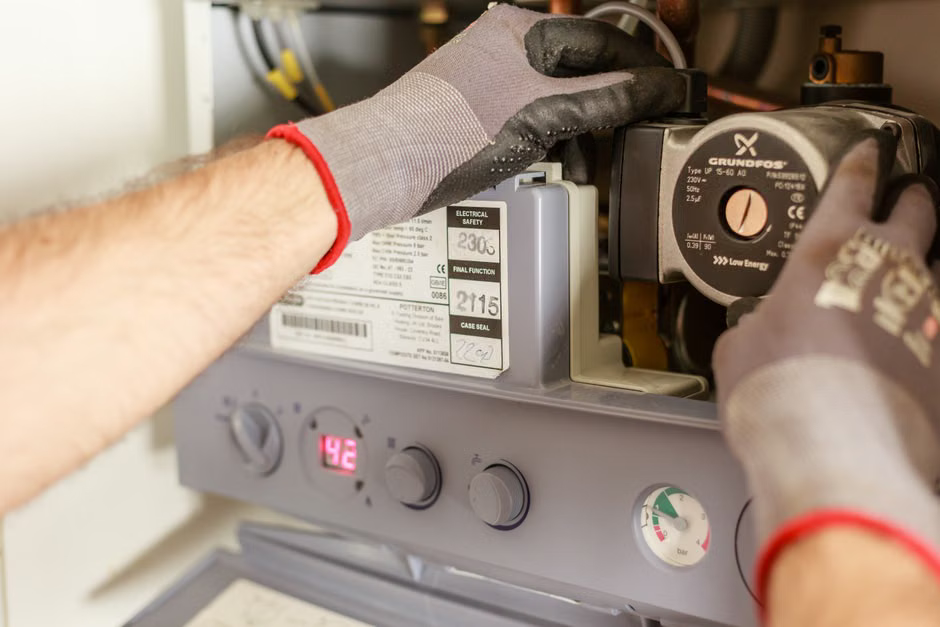
Water heaters are vital home appliances in our homes, giving warm water for showers, dishwashing, washing, and myriad various other applications. When they malfunction, it can lead to substantial inconveniences and, potentially, pricey problems. Recognizing common problems and standard repair service techniques can help home owners address small issues and know when to call in an expert. This overview intends to empower you to take on hot water heater repair work with confidence.
The very first step in addressing a water heater concern is identifying the trouble. Usual complaints include no warm water, not enough warm water, odd noises, or dripping tanks. If you discover that your hot water heater isn't producing hot water, begin by examining the thermostat and ensure it's readied to the desired temperature level. If the thermostat appears to be functioning yet you're still experiencing problems, it might be a trouble with the burner or the power supply. For electrical water heaters, examine the breaker to guarantee it hasn't stumbled. For gas units, check that the pilot light is lit and operating correctly. Get the best plumbing services from this site now.
Not enough warm water can also come from various issues, including debris accumulation in the storage tank. Gradually, minerals from difficult water can clear up at the bottom of the tank, influencing effectiveness. Normal flushing of the storage tank can assist remove this build-up, generally carried out annually. Additionally, make certain that your water heater is effectively sized for your home's requirements; a small device may struggle to supply enough warm water for your everyday demands.
Unusual sounds originating from your water heater usually show a hidden issue. Sounds such as popping, breaking, or rolling can be attributed to sediment accumulation, where minerals warm up and produce heavy steam bubbles, creating sound. Additionally, a gas hot water heater might produce hissing noises because of a gas leak, which is a major issue calling for immediate specialist attention. If you identify such audios, it's smart to examine additional or seek advice from a professional.
If your hot water heater is dripping, it can lead to substantial water damages and mold and mildew growth otherwise managed quickly. Typical causes of leakages consist of a damaged drain valve, corroded tank, or issues with the inlet and electrical outlet pipes. Depending upon the extent of the leakage, you may be able to tighten up installations or replace the drainpipe valve. However, if the tank itself is corroded, it might be time for a full substitute, as patching a dripping container is typically not viable. Have a look at top rated plumbing services here.
Finally, while several hot water heater issues can be settled with basic troubleshooting and maintenance, some circumstances necessitate expert intervention. Carrying out routine upkeep, such as flushing the tank and checking installations, can lengthen the lifespan of your unit. When doubtful, do not hesitate to call a licensed specialist to guarantee safety and security and stop additional damage. By staying informed regarding your water heater's procedure, you'll be better equipped to handle fixings and maintain a consistent supply of hot water in your house. Here is a post with a general information about this topic, check it out: https://en.wikipedia.org/wiki/Solar_water_heating.
